
Customs Brokerage
Clear customs faster with Flexport's licensed brokers and AI-powered classification. Minimize duties and stay compliant.

Companies leave billions in U.S. duties unclaimed every year because outdated systems and complicated rules get in the way. As tariffs climb, that money gets harder to walk away from.
If you export, you're likely owed duties back. Our AI connects your import, export, ERP, and bill of materials (BOM) data, then surfaces every refund you can claim.
Flexport pairs automation with drawback experts who check the work, so your refund lands quickly and accurately. On average, our technology finds 4 to 10 times more drawback than other customs brokers
$1B+: Returned to customers.
2.1X: Better capitalization of import duties
42%: Greater duty drawback recovery vs. traditional processes.
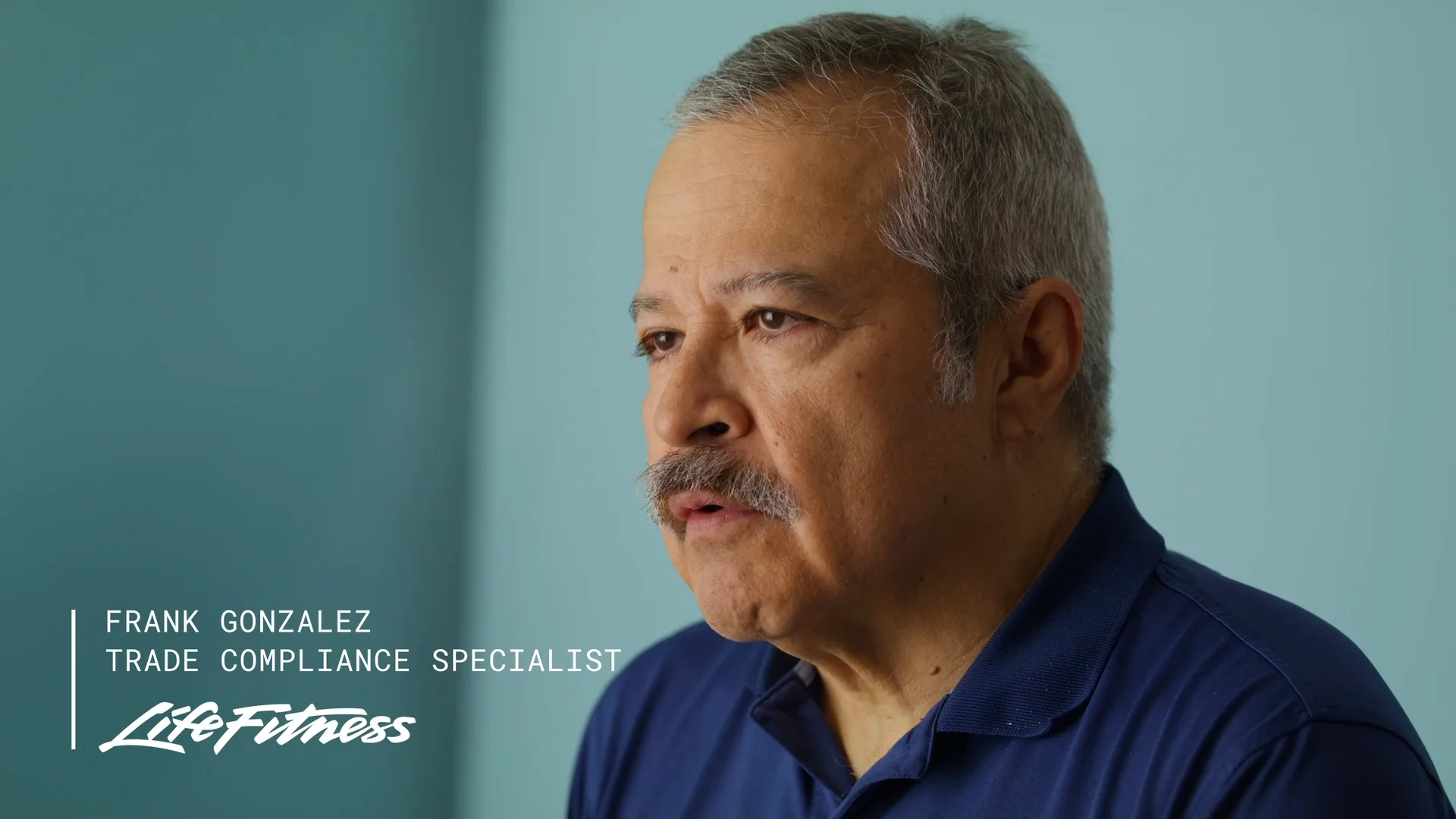
Working with Flexport has been an excellent experience. They manage our global brokerage processing and implemented drawback services that delivered returns that were significantly higher than our prior approach, and also significantly outperforming their competitors. Their technology and expertise, including ACE analysis, have uncovered additional insights and savings that continue to drive supply chain optimization.


Once Flexport took over the service for us, we have seen a great increase in the duty drawback refunds.
Couldn't load video
We transform complex regulatory requirements into a frictionless, automated process, protecting your refunds as you scale.
Using advanced matching methods, we recover duty refund opportunities that traditional processes simply can't reach, delivering 15-20% higher recovery rates.
Access all your claim documentation and claim data 24/7 on our portal, giving you transparency, auditability, and control over your duty drawback status.
Our platform ingests your existing supply chain data and documentation, eliminating manual data entry and accelerating your path to recovery.
Flexport already has all our data. At that point, it was a no-brainer to proceed with the duty drawback program and it took less than six months for the refunds to start flowing in. And this was after two years of spinning our wheels. It was fantastic!


Apply to get started, then connect your existing systems. Flexport ingests your import, export, and bill of materials data automatically, with no manual uploads required.
Our platform matches your import and export records and builds your claim automatically, applying the calculation method that recovers the most for each transaction.
Flexport's licensed customs brokers file your claim with U.S. Customs and Border Protection (CBP) and track it through to your refund.
Keep complete records, from entry summaries to invoices and bills of lading, and verify which imported products, components, or materials qualify for duty drawback when exported or destroyed. Flexport's experts review your documentation to keep you compliant with CBP regulations and audit-ready.
Link your import entries to their corresponding export shipments early using automated data matching, so every eligible transaction gets identified and no refund opportunity goes unclaimed.
Unify your import and export documentation across your organization on the Flexport platform for greater visibility and simplified duty drawback management, even when other brokers filed some of your original data.
Flexport's Duty Drawback team and customs brokers file your claims promptly, within the CBP-approved timeframe (typically five years), to accelerate recovery and improve cash flow.
Duty drawback is a U.S. Customs and Border Protection (CBP) program that lets importers recover up to 99% of duties, taxes, and fees on goods that are exported or destroyed. Filing a duty drawback claim helps businesses cut import costs, boost cash flow, and improve trade efficiency. Partnering with Flexport's duty drawback experts ensures compliant, accurate filings and maximum refund recovery.
Duty drawback is not industry-specific — it's available to any U.S. business that imports goods and later exports or destroys them under U.S. Customs and Border Protection (CBP) rules. Whether you're in manufacturing, retail, or technology, you may qualify to recover up to 99% of import duties, taxes, and fees. Claiming a duty drawback refund helps companies reduce import costs, boost cash flow, and maximize trade profitability.
Flexport combines advanced technology and trade compliance expertise to help businesses capture every eligible duty drawback refund. Our platform automatically matches import and export data, streamlines filings, and ensures full audit compliance - reducing costs, speeding cash recovery, and optimizing global trade operations.
Historically, duty drawback has been a niche, complex, and data-intensive service, often misunderstood and lacking the necessary technological advancements to make it accessible. At Flexport, we're fundamentally changing this.
We've integrated duty drawback natively into the Flexport Platform, using algorithms and technology to streamline a previously time-consuming process. This approach makes drawback accessible and efficient for companies of all sizes. Even those with smaller recovery potential can now achieve a profitable program, while businesses with larger, more complex supply chains can use our technology to significantly boost and accelerate their refunds, realizing value that was previously out of reach.
It's estimated that companies leave as much as $6 billion in duty drawback refunds unclaimed each year, and that number is growing with the introduction of new tariffs. The amount you may be missing out on depends on several factors, such as the types and amounts of import duties paid, your export volume and values, and your specific business operations. To estimate your potential recovery, you can apply the following process:
This provides a ballpark estimate of your company's annual drawback potential, serving solely as a starting point for discussion. It's important to note that you can retroactively claim drawback on imports, exports, and destructions going back up to five years, meaning newer programs may be eligible for compounded refunds.
If your company imports goods and pays duties, taxes, or fees, and also exports or destroys merchandise, there's a strong possibility you are eligible for duty drawback. Drawback is a refund of up to 99% of certain import duties, taxes, and fees upon exportation or destruction.
The good news is that most industries and commodities qualify for drawback. This includes both unused merchandise (exported in the same condition as imported) and products manufactured using imported components. While there can be some complexities with certain item classifications or export destinations (like Canada, Mexico, and Chile), a wide range of businesses can benefit.
To quickly determine your specific eligibility, Flexport offers a simple questionnaire. You can also reach out directly to our team at CustomsBD@flexport.com for a personalized assessment.
Getting started with duty drawback involves a few key steps to assess your eligibility and potential recovery before the actual implementation begins.
Drawback can be complex, but it doesn't need to be. With Flexport, we'll take you through the process, each step of the way, efficiently and compliantly.
Duties, taxes, and fees that qualify for drawback generally include most regular customs duties, Section 301 and 201 duties, the IEEPA Reciprocal and Brazil/India tariffs, the Harbor Maintenance Fee (HMF), and the Merchandise Processing Fee (MPF). However, special duties such as antidumping or countervailing duties, over-quota duties, and Section 232 duties are not eligible for drawback.
Drawback is the refund of up to 99% of import duties, taxes, and fees paid upon exportation or destruction. The key is to match the imported goods with the exported or destroyed goods, either directly or indirectly, depending on the specific drawback provision.
For some drawback provisions, U.S. Customs and Border Protection (CBP) requires the calculation to be based on the "lesser of two": either the amount of duty paid on the imported goods or the amount of duty that would be paid on the exported or destroyed goods (or component, in the case of manufacturing) if they were being imported.
While a high-level estimate of potential drawback can be made based on your total import duties and the percentage of those imports that are exported or destroyed, the actual claim calculation for CBP requires more detailed information. This includes specifics about the imported and exported goods, such as their value, quantity, and classification (HTS numbers), to determine the refundable amount accurately.
With Flexport, we simplify this complex calculation process by using technology and expertise to ensure your claims are prepared accurately and compliantly, maximizing your potential recovery.
Our claim is simple: Flexport's drawback platform delivers demonstrably higher refunds, often recovering 15% or more than traditional software and manual processes.
This isn't just an estimate; it's the result of our advanced, proprietary algorithms. Unlike basic sorting or arbitrary pairing algorithms, our platform intelligently analyzes and matches your import and export data. This precision optimization ensures that every eligible transaction is accounted for, maximizing your drawback potential across all provisions and calculation methodologies.
What does this mean for you?
By eliminating human error, reducing the risk of mismatched values, and optimizing claim calculations, Flexport's technology ensures you capture every dollar you're legally permitted to recover, making your drawback program significantly more profitable.
Clear customs faster with Flexport's licensed brokers and AI-powered classification. Minimize duties and stay compliant.

Optimize your supply chain strategy with ACE analyses, duty minimization, tariff engineering, and other advisory programs.
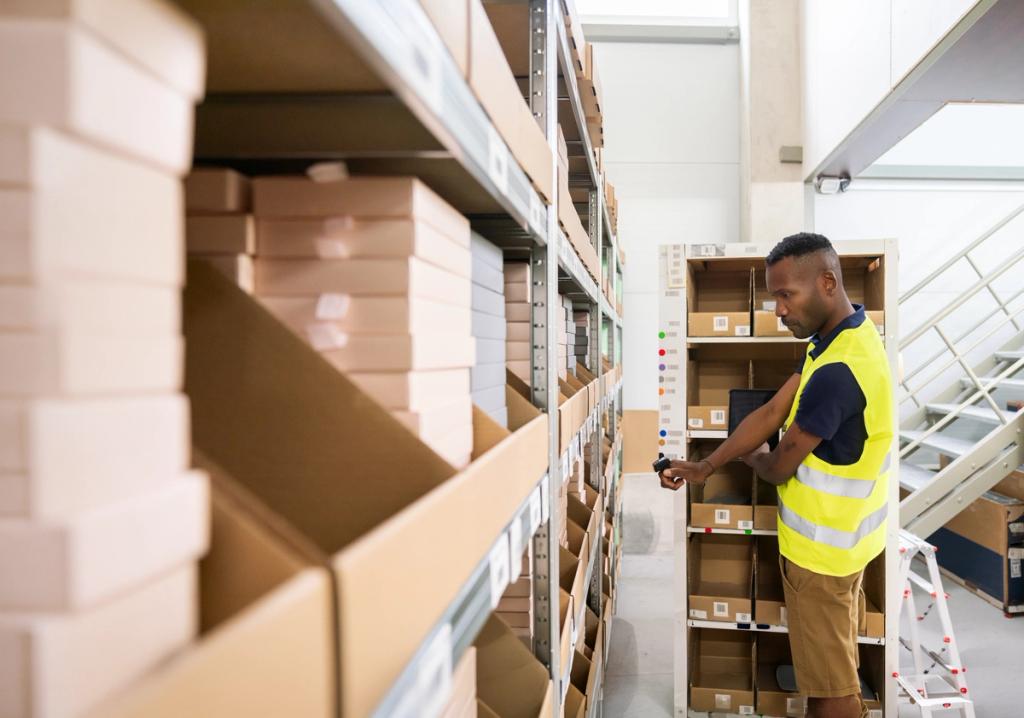
Flexport brokers assess your product library and recommend the codes that are most favorable and still 100% compliant.

Real-time visibility and analytics in one platform, down to the SKU level, to optimize performance and reduce costs.
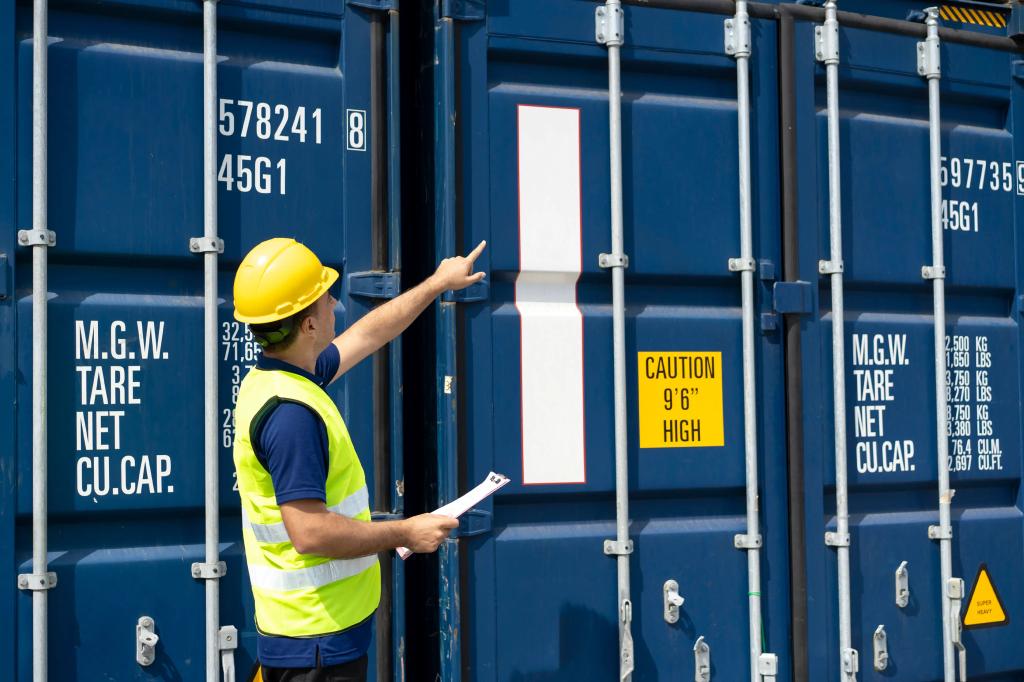
Stay updated on European Union and UK customs regulations. Access direct, objective summaries of tariff changes, trade agreements, and compliance updates.

Executive Order 14411 requires foreign importers of record to be CTPAT-validated or file through a CTPAT-validated customs broker. Here's the vetting to expect and how to prepare.

Flexport's running log of Trump administration tariff actions and trade policy shifts, and what each new measure means for importers and their supply chains. Updated as changes land.

The U.S. Trade Representative (USTR) just reset the tariff landscape again.