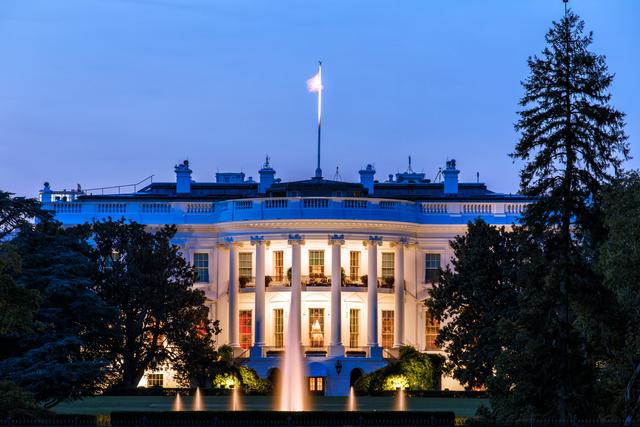
On June 3, 2026, President Trump signed an executive order, Strengthening Customs Enforcement, which directs U.S. Customs and Border Protection (CBP) to overhaul how importers of record (IORs) are vetted, bonded, and held accountable. It also raises disclosure requirements, increases penalties, and restricts how foreign-based importers can bring goods into the country.
New requirements for all importers of record
Within 180 days, CBP must implement several changes that apply to every IOR:
- Minimum asset and bond thresholds. All IORs will be required to maintain a minimum level of tangible domestic assets, bonding, or both. Minimum bond coverage amounts will increase.
- More data at registration. IORs will need to provide CBP with additional information, including anticipated import volumes, ownership and beneficial ownership disclosures, business affiliations, and domestic asset disclosures.
- "Good standing" status. CBP will define and enforce a "good standing" requirement. IORs found to have imported fentanyl, nitazene, other illicit substances, or precursor chemicals will lose good standing and will not be allowed to import into the United States. IORs not in good standing also can't designate a customs broker to act on their behalf.
- Registry cleanup and tiering. CBP will remove inactive IORs from the registry, confirm active IORs are compliant, and create risk-based tiers based on compliance history, enforcement actions, and audit results.
- Enhanced vetting. CBP will establish enhanced vetting procedures, including recurrent vetting, for all individuals and entities involved in importation – IORs, customs brokers, custodians of bonded merchandise, and freight forwarders.
Restrictions specific to foreign importers of record
The order draws a clear line between U.S. IORs and foreign IORs, and imposes additional restrictions on foreign entities.
What is a U.S. IOR vs. a foreign IOR? The order defines a U.S. IOR as an entity organized under U.S. law, located in the United States, with controlling beneficial owners who are U.S. citizens or lawful permanent residents. A foreign IOR is any entity that doesn't meet that definition. CBP will issue guidance to prevent entities from using shell companies or artificial corporate structures to qualify as U.S. IORs. To be "located in the United States," an entity must have its principal place of business here, a physical presence where significant business activity is conducted, and sufficient tangible assets in the U.S.
According to the new executive order, foreign IORs will be subject to these additional restrictions:
- No informal entry for foreign IORs. Foreign IORs will be prohibited from filing informal entries. The order cites higher volumes of low-value articles from foreign importers, lower familiarity with U.S. trade law, and the difficulty of enforcing penalties against entities with assets overseas.
- Restricted bond use for formal entry. Foreign IORs filing formal entries will generally not be permitted to use continuous bonds. They must either be validated through CBP's Customs Trade Partnership Against Terrorism (CTPAT) program or use a CTPAT-validated, licensed customs broker to file entries.
Heightened disclosure and certification requirements
- Supply chain certifications. Importers will need to certify compliance with the Countering America's Adversaries through Sanctions Act (CAATSA) and 18 U.S.C. 545 (smuggling), among others. They'll also need to provide detailed information about imported goods' supply chains and production methods, including manufacturer product identifiers and key specifications like composition, grade, or size.
- Foreign export documentation. Within 90 days, CBP will require submission of any documentation the foreign exporter was required to submit to its own country's customs administration prior to exporting to the United States.
- Foreign tax and business identifiers. Importers will need to disclose certain foreign tax and global business identifiers.
What are new enforcement and penalty measures for IORs?
- Higher penalty floors. CBP will establish a minimum penalty floor of not less than 50 percent of the assessed penalty, absent exceptional circumstances that materially impact national security. Mitigation for repeat offenders will be eliminated.
- Broker accountability. CBP will impose maximum penalties on brokers who fail to conduct due diligence, repeatedly represent noncompliant clients, or fail to cooperate with CBP information requests in a timely manner.
- Priority enforcement areas. The Department of Homeland Security (DHS) and the Department of Justice (DOJ) will prioritize enforcement around forced labor, misclassification, undervaluation, and illegal transshipment, including investigations under the Enforce and Protect Act.
- Liquidated damages and audits. CBP will enforce liquidated damages claims against bonds for noncompliance, restrict in-bond utilization, and increase audits. A minimum liquidated damages floor will be established.
Faster disposal of non-compliant imports
Within 90 days, CBP will take steps to expedite seizure and disposal of non-compliant imports, including reducing regulatory burdens to voluntary abandonment, increasing bond requirements for high-risk shipments, authorizing third-party disposal, and using existing statutory authority under 19 U.S.C. 1612.
Transparency measures
Within 90 days, CBP will establish periodic review and expiration of confidentiality requests and begin publishing annual enforcement transparency reports.
Legislative recommendations
Within 45 days, the Secretary of Homeland Security will submit recommendations to the President for legislation to further strengthen customs enforcement.
Key timelines
- Legislative recommendations to the President | 45 days (July 2026)
- Foreign export documentation requirement | 90 days (September 2026)
- Penalty and mitigation standard revisions | 90 days (September 2026)
- Streamlined disposal procedures | 90 days (September 2026)
- Transparency measures | 90 days (September 2026)
- IOR asset/bond minimums, data requirements, good standing, registry updates, enhanced vetting | 180 days (December 2026)
- Effectiveness report to the President | 1 year (June 2027)
What the new executive order could mean for businesses
This order signals a shift toward stricter accountability across the import process. If you're working with foreign-based importers, using informal entry channels, or relying on customs brokers who may not meet heightened compliance standards, now is the time to review your import setup.
Flexport's customs brokerage team is tracking implementation of this order closely. If you have questions about how these changes affect your supply chain, reach out to your Flexport team, or get in touch with a Flexport customs expert.