Consolidation
What is consolidation?
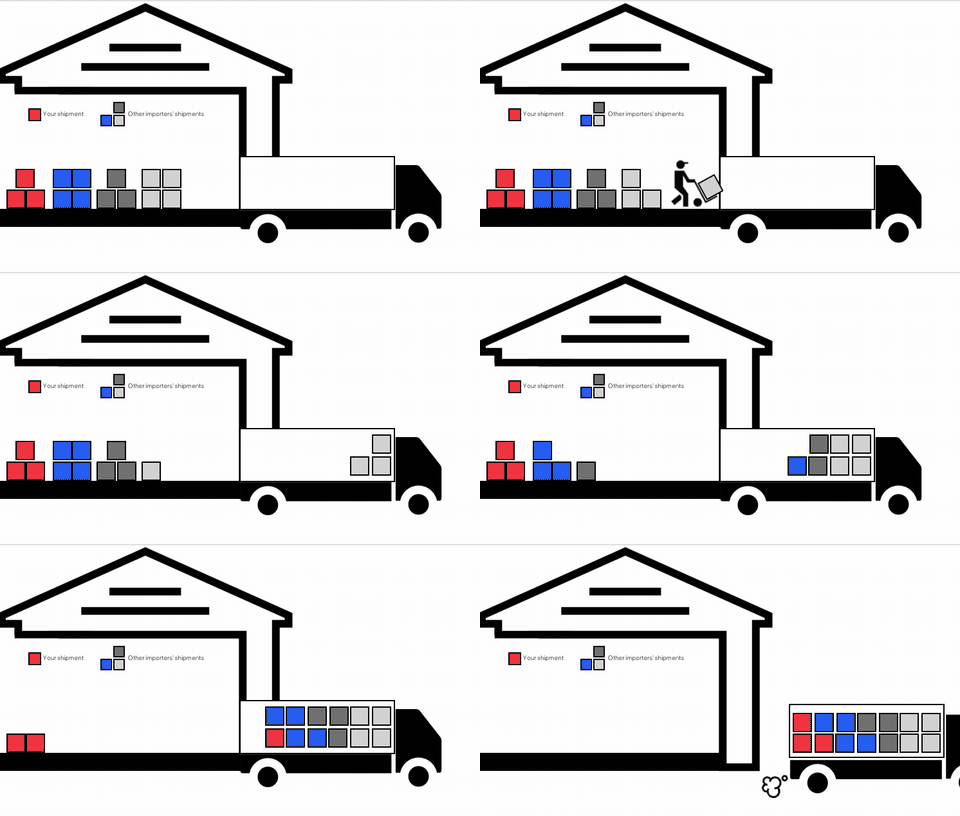
Consolidation is the act of combining two or more shipments in a truck or container.
LCL shipments are consolidated at a CFS.
Shippers consolidate to cut costs. A partly filled truck or container costs nearly as much to move as a full one, so combining cargo from several shippers spreads that cost across everyone's goods. Consolidation also reduces the number of vehicles on the road and the number of handoffs at the port.
How does consolidation work?
A consolidator collects cargo from several shippers, usually at a warehouse or container freight station. Staff load the goods into one container or trailer, and the carrier moves that load to the destination. At the other end, a deconsolidator unloads the container and sends each shipper's goods on to the final recipient.
Ocean freight uses consolidation most often for LCL shipments, and air freight and trucking use it too. The tradeoff is time. The consolidator has to wait for enough cargo, and the goods go through extra handling at both ends, so a consolidated shipment can take longer than a full container load.
Back to the full glossary.