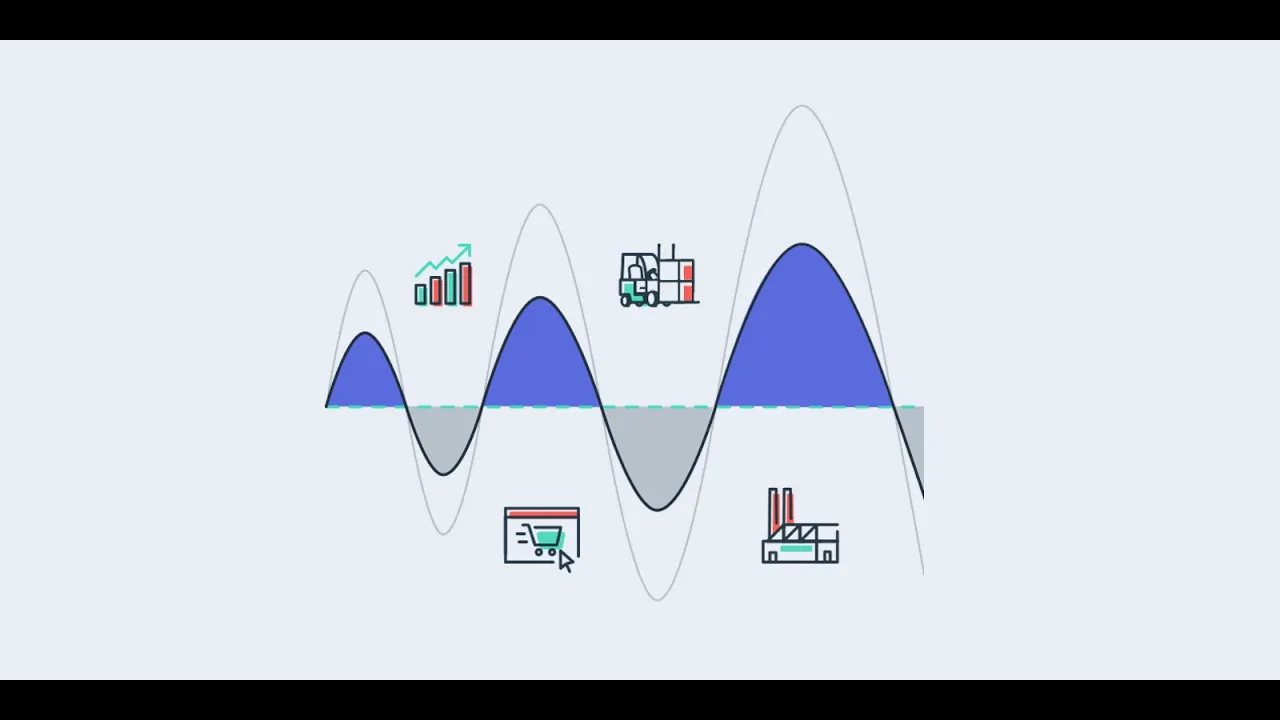
Global logistics congestion, elevated shipping rates and shortages across supply chains have been driven by a collision between a surge in consumer demand and fixed availability of air, ocean and trucking freight capacity. In the classic “bullwhip effect,” fluctuations in demand can first cause shortages, then overstocking of inventory, followed by a sharp dropoff in orders. Is that what we’re seeing now? Does that portend the end of tight pandemic shipping conditions? Or will packed ships and stressed supply chains persist? We sort through the latest evidence.
The State of Trade: Cracking Bullwhips Versus Packing Full Ships (June 2022)
Congestion and high rates came from demand colliding with fixed capacity. Is the bullwhip now cracking the other way, or will packed ships persist? The evidence, sorted.
Related webinars

North America Freight Market Update Live
Join Flexport experts on October 8 for the North America Freight Market Update Live, covering trade lane news, ocean and air capacity, and where rates are heading into peak.

North America Freight Market Update Live
Watch the on-demand September 2026 North America Freight Market Update, where Flexport experts cover trade lane news, ocean and air capacity, and rates.

European Freight Market Update Live
Flexport's 8 September 2026 European market update: trade lane news, ocean and air capacity, rate movements, and the regulatory changes worth planning around.

The Capacity Squeeze Nobody Budgets For: Air Cargo 2026–2030
The 777X slipped to 2027, so the widebodies due for freighter conversion are still flying passengers. Atlas Air's CCO on what the delivery crisis does to rates through 2030.